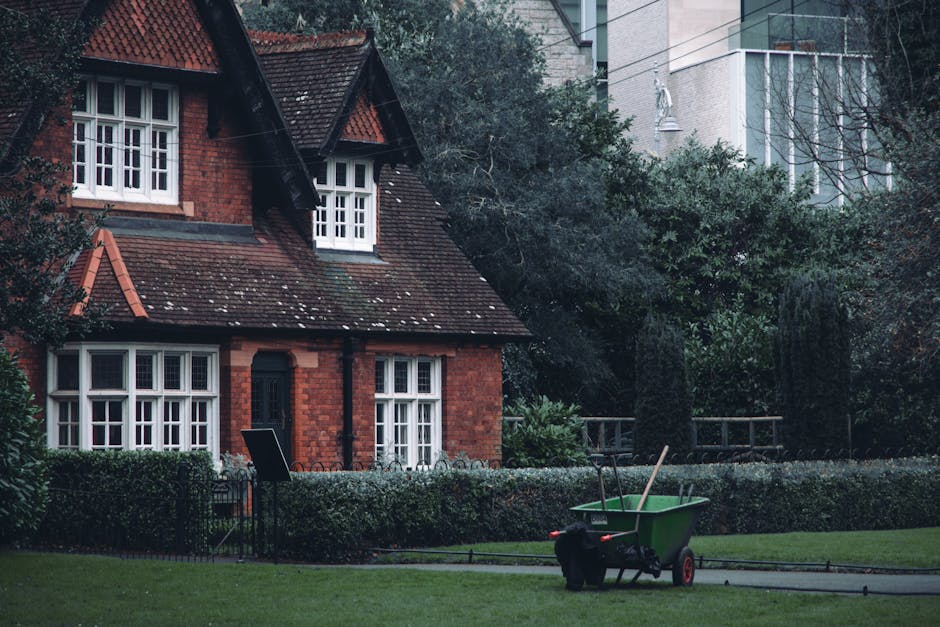
Best gardeners near High Barnet station for small front gardens
If you live near High Barnet station, you already know the front garden can be deceptively tricky. It may only be a few square metres, but it still has to look tidy, survive changing seasons, suit the house, and not become one more thing on a busy weeknight list. That is exactly where the Best gardeners near High Barnet station for small front gardens earn their keep: they understand how to make a modest space look sharp without overcomplicating it.
This guide is for anyone trying to choose the right local gardener for a small front plot, whether you want regular maintenance, a one-off tidy-up, planting advice, or a smarter layout that does not feel cramped. We will cover what good small-front-garden work actually looks like, how to compare options, what to ask, common mistakes, and the practical stuff people often forget until the first quote arrives. Truth be told, that last bit matters more than people think.
Table of Contents
- Why Best gardeners near High Barnet station for small front gardens Matters
- How Best gardeners near High Barnet station for small front gardens Works
- Key Benefits and Practical Advantages
- Who This Is For and When It Makes Sense
- Step-by-Step Guidance
- Expert Tips for Better Results
- Common Mistakes to Avoid
- Tools, Resources and Recommendations
- Law, Compliance, Standards, or Best Practice
- Options, Methods, or Comparison Table
- Case Study or Real-World Example
- Practical Checklist
- Conclusion
- Frequently Asked Questions
Why Best gardeners near High Barnet station for small front gardens Matters
A small front garden does a lot of work. It is the first thing you see coming home, the bit neighbours notice, and often the space that sets the tone for the whole property. Near High Barnet station, where homes can sit close to the road and foot traffic is part of daily life, a front garden also needs to be practical. It has to stay neat, avoid looking cluttered, and cope with partial shade, occasional dry spells, and compact planting areas.
The best local gardeners understand that small gardens are not just "mini versions" of larger ones. They need sharper judgement. One wrong shrub and the space feels crowded. One poor edging decision and the whole thing looks untidy. One overly ambitious design and suddenly the little patch outside the house becomes a maintenance headache. Small spaces are funny like that. They show everything.
There is also a subtle property value angle, without getting carried away with grand promises. A well-kept front garden improves kerb appeal, which matters if you are selling, letting, or simply want the house to feel cared for. More importantly, it makes everyday life better. You open the door and it feels calm rather than apologetic. That is a real benefit, not a fluffy one.
If you are comparing service providers, it helps to look at the bigger picture too. A gardener who can handle routine maintenance, soft landscaping, and sensible plant selection usually gives better long-term value than someone who just does a quick cut-and-clear job. You can get a feel for the wider offer on the services overview, and it is worth checking how a company explains its approach to customers in general on the about us page.
How Best gardeners near High Barnet station for small front gardens Works
In practical terms, good small-front-garden work starts with the space itself. A proper gardener will usually look at light levels, soil condition, drainage, existing planting, frontage shape, and how the garden is used day to day. Is it purely decorative? Does it need to stay accessible for bins, bikes, prams, or deliveries? Does it need to look good from the pavement all year? Those questions steer the job more than people expect.
The process often falls into a few simple stages:
- Initial assessment - understanding the current layout, problem areas, and your priorities.
- Practical tidy-up - cutting back, removing dead growth, edging, weeding, and restoring shape.
- Decision on structure - deciding whether to keep, replace, reduce, or simplify planting.
- Planting or redesign - choosing compact, suitable plants and making sure they will not overwhelm the space.
- Ongoing maintenance plan - setting a realistic schedule so the garden does not slide back into chaos by next month.
For small gardens, the crucial thing is scale. A gardener who understands proportion will avoid oversized shrubs, aggressive spreaders, and unnecessary decorative extras. They will also think about the visual line from the street to the front door. In a tiny space, even a neat path edge can make the whole place feel twice as tidy. It is a bit of a magic trick, although not the mysterious sort.
Good gardeners also know when not to overdo things. Sometimes the best result is a cleaner, simpler layout rather than a complete transformation. That might mean keeping one healthy structure plant, reworking the rest into lower-maintenance beds, and using mulch or edging to create visual calm. Small gardens often improve fastest when someone edits, not adds.
Key Benefits and Practical Advantages
There are several reasons why hiring the right gardener near High Barnet station makes sense for a small front garden. Some are obvious. Some only become obvious after you have spent a Saturday wrestling with soil, secateurs, and a stubborn root system.
- Cleaner kerb appeal: a tidy, balanced frontage gives the house a cared-for look immediately.
- Better use of limited space: compact gardens need thoughtful structure, not guesswork.
- Less ongoing hassle: the right planting choices reduce future maintenance.
- Improved safety and access: clear paths, controlled growth, and sensible edges help avoid trip hazards.
- More seasonal interest: a small space can still look good across the year with the right mix of planting.
- Stronger local fit: someone used to Barnet-style front gardens will understand the pressures of road dust, shade, and visibility from the street.
There is a practical financial benefit too. Small gardens can become expensive if the wrong work is done first. Removing a poorly chosen shrub later, for instance, is often more costly than planting the right thing in the first place. That is why the best gardeners are rarely the ones who promise dramatic change in one visit. They are the ones who make sensible choices that hold up.
Expert summary: if you want a front garden that looks neat without needing constant rescue, choose a gardener who thinks in terms of proportion, maintenance, and long-term shape. For small spaces, those three things matter far more than flashy ideas.
Who This Is For and When It Makes Sense
This kind of service suits a surprisingly wide range of homeowners and renters. You might think it is only for people with obvious overgrown gardens, but that is not really the case. Small front gardens become awkward in quiet ways. A border starts to sprawl. A hedge loses definition. A path edge gets fuzzy. Suddenly the whole frontage feels tired, even if nothing is wildly wrong.
It makes sense if you are:
- short on time and want the front of the property to stay presentable
- preparing to sell, let, or photograph the home
- moving in and want a fresh start outside
- dealing with a tiny space that always looks messy no matter what you do
- looking for regular maintenance rather than one-off emergency work
- trying to reduce future upkeep by choosing low-maintenance planting
It is also sensible if you are not sure what the garden should become. Plenty of people know they want "something nicer" but cannot picture the steps. That is normal. A skilled gardener can turn that vague feeling into a manageable plan without making you commit to a full redesign. Sometimes a calm tidy-up, some shape correction, and a few smarter plants are all that is needed.
If you are comparing providers, it may help to check how they handle enquiries and quoting. The page on pricing and quotes is a useful place to understand how estimates are approached, while contact us can help if you want to describe a specific front-garden issue and see what is possible.
Step-by-Step Guidance
Here is a simple way to approach hiring gardeners for a small front garden near High Barnet station. It is not complicated, but a little structure saves a lot of back-and-forth later.
- Define the outcome. Decide whether you want maintenance, a tidy-up, planting changes, or a fuller makeover. A front garden for a terrace needs different thinking from a detached home with a wider frontage.
- List the pain points. Is it weeds, overgrown shrubs, patchy grass, poor drainage, lack of colour, or just general mess? Be specific.
- Ask for a site-aware visit or quote. Photos help, but a quick look at the space often reveals access issues, shade, or soil conditions that affect the job.
- Check the scope carefully. Make sure you know whether waste removal, pruning, planting, and follow-up visits are included or priced separately.
- Choose for suitability, not size of promises. A small garden needs crisp execution more than grand ideas.
- Agree the maintenance rhythm. For many small front gardens, light but regular care works better than long gaps followed by a rescue mission.
One useful habit: take a photo of the garden before the work starts and another once it is finished. Not for social media, necessarily. Just for your own reference. It helps when you are deciding whether a follow-up visit is worthwhile, or whether a change really improved the space.
If sustainability matters to you, it is sensible to ask how green waste is handled and whether materials are reused responsibly. You can also review the company's recycling and sustainability approach if you want to understand that side of the service before booking.
Expert Tips for Better Results
Small front gardens reward restraint. That sounds simple, but it is probably the biggest lesson here. The best results usually come from editing carefully rather than filling every empty patch.
- Use fewer plant types. A tight palette often looks more polished than a crowded mix.
- Choose plants that stay in scale. Low, rounded, slow-growing options are often safer than big sprawling shrubs.
- Think in layers. Even a small bed can have height variation if it is done lightly.
- Keep edges crisp. A sharp border line instantly improves the look of the whole frontage.
- Leave space to breathe. Every plant does not need company. Some room between plants makes maintenance easier too.
- Plan for winter, not just summer. The front garden has to hold its shape when flowers are gone.
One local-specific tip: if your front garden is near a busy route or station-side footfall, dust and general grime can build up faster than you expect. It is worth choosing plants and finishes that still look decent when they have had a bit of urban wear. Not everything needs to be pristine all the time, of course, but some plants will just cope better than others.
And yes, garden design can be a bit of a balancing act. Too sparse looks unfinished. Too full looks like a hedge is trying to escape. Somewhere in the middle is the sweet spot.
Common Mistakes to Avoid
Small front gardens are easy to get wrong in ways that are hard to notice at first. The front of the house may still look "green", but not necessarily better. Here are the usual trouble spots.
- Choosing plants that grow too large. A shrub that seems charming in a pot can dominate a tiny border in no time.
- Ignoring maintenance needs. A low-maintenance garden is not the same as a no-maintenance one.
- Overloading the space with decoration. Paths, lights, pots, ornaments, and baskets can quickly tip into clutter.
- Forgetting access. Front gardens often need to allow for bins, parcels, cleaning, and daily movement.
- Not checking drainage. Small spaces can become muddy or waterlogged faster than you might expect.
- Skipping the long view. Plants that look good in May may look unruly by August if they are not suitable.
Another common issue is buying plants based on how they look in a shop rather than how they behave in a real garden. The label might say "compact", but compact is a relative word. Always ask what the plant will look like in a year or two. That one question prevents a lot of regret.
One more thing, and it sounds obvious but deserves saying: do not let the first neat-looking solution become the last one you ever consider. Small front gardens need review. They change with light, weather, and growth. A good gardener will notice that and adjust, not just walk away after one tidy-up.
Tools, Resources and Recommendations
You do not need to become a full-time gardener to manage a small front garden, but it helps to know what good work typically relies on. Professionals will usually bring pruning tools, edging tools, hand weeders, cutters, bins or bags for waste, and the judgement to use them without stripping the place bare. The real skill is in knowing when to cut, how much to cut, and what to leave alone.
For homeowners, a few simple things help keep a small front garden in shape between visits:
- a small hand fork for loosening compacted soil
- sharp secateurs for light trimming
- gloves that actually fit, because fumbling with oversized gloves is annoying as anything
- a watering can or hose access for dry spells
- mulch or bark for keeping beds tidy and reducing weed growth
When you are choosing a gardener, it is sensible to look beyond the visible result and check how they operate. Are they clear about communication? Do they explain what is included? Do they talk through the likely maintenance level after the work is done? Those signs matter. If you want to understand the service culture better, the company's health and safety policy and insurance and safety pages can be useful trust signals, while payment and security helps explain how the business handles transactions.
For some customers, the most useful resource is simply a clear conversation. A quick call or message about a small front border, a hedge, or a tidy-up can tell you more than a glossy promise ever will.
Law, Compliance, Standards, or Best Practice
For a small front garden, the main compliance concerns are usually practical rather than dramatic. You are typically looking at safe working practices, proper handling of garden waste, sensible use of tools, and care around access, neighbours, and shared boundaries. If a gardener is working near a pavement, drive, or front path, they should do so in a way that keeps routes clear and reduces trip hazards. Common sense, really, but it is still worth checking.
Where chemicals or treated materials are involved, a careful professional will use products responsibly and follow the guidance that comes with them. If there are pets, children, or vulnerable users of the space, that should be discussed before work starts. Likewise, if access is tight or there are low walls, steps, or uneven paving, the gardener should adapt the job accordingly.
Best practice also includes transparency. A trustworthy provider should be clear about what the job covers, how waste is handled, how payments work, and what happens if the scope changes. You can see this kind of approach reflected in the site's terms and conditions and complaints procedure, which is reassuring if you like to know where you stand. Fair enough, most people do.
Privacy matters too when you make an enquiry, especially if you are sharing addresses, gate access notes, or photos of your property. The privacy policy and cookie policy are there for that reason. And if accessibility matters to you or someone in your household, the accessibility statement can be helpful.
Options, Methods, or Comparison Table
Different front gardens need different approaches. Below is a simple comparison of common service styles so you can match the job to the result you want.
| Approach | Best for | Typical outcome | Watch-outs |
|---|---|---|---|
| One-off tidy-up | Overgrown or neglected small front gardens | Immediate improvement, clearer edges, cleaner look | May not stay neat for long without follow-up |
| Regular maintenance | Homes that need to look presentable year-round | Consistent appearance and fewer emergency fixes | Needs a realistic schedule and clear scope |
| Light redesign | Small spaces that feel cluttered or awkward | Better shape, better planting balance, easier care | Should avoid overfilling the space |
| Low-maintenance planting plan | Busy homeowners or landlords | Less mowing, pruning, and general upkeep | Still needs seasonal checks and weeding |
If you are unsure which route to take, the middle ground is often the safest: a tidy-up plus a plan for modest changes. That gives you visible improvement now and flexibility later. It also avoids the classic "we changed everything and now nobody likes it" situation. Happens more than people admit.
Case Study or Real-World Example
Imagine a small front garden near High Barnet station with a short path, a narrow bed, one tired shrub, and a patchy area that used to be lawn. Nothing dramatic, just a frontage that looked a bit weary by the end of winter. The owner did not want a full redesign. They wanted the space to look cared for, be easier to maintain, and stop swallowing weekend time.
A sensible local gardener would likely begin with a tidy-up: removing dead growth, defining the edges, and reducing the oversize shrub so the entrance feels more open. Next, they might replace the awkward patch with low-maintenance planting, maybe a mix of evergreen structure and a few seasonal plants for colour. Finally, they would add mulch and check that the path edge was clear and easy to walk past in wet weather. Simple, but effective.
The key point is not that the garden became dramatic. It became balanced. That is often the real win with small front gardens. You notice the calm first, then the detail. The space stops asking for attention and starts doing its job quietly. Which is exactly what most front gardens should do.
In a case like this, the owner usually benefits from a short follow-up plan too. A visit after the first flush of growth, for example, can keep a compact garden from drifting back into a crowded look. Not every job needs monthly care, but small spaces do like a bit of rhythm.
Practical Checklist
Use this checklist before you hire a gardener for a small front garden near High Barnet station.
- Have you defined whether you want maintenance, a tidy-up, planting, or redesign?
- Have you measured or photographed the space so you can explain it clearly?
- Do you know which parts need to stay accessible?
- Have you identified any shade, drainage, or soil problems?
- Are you clear on what waste removal includes?
- Have you asked about plant choices and long-term growth?
- Do you understand the likely maintenance needed after the work?
- Have you checked the provider's service pages and trust information?
- Have you looked at pricing and quotes so you know how estimates are handled?
- Have you got a sensible next step if the first visit goes well?
If that list feels a bit methodical, good. Methodical is exactly what small front gardens need. A quick, thoughtful plan beats random effort every time.
Conclusion
Finding the Best gardeners near High Barnet station for small front gardens is less about chasing the biggest promise and more about finding someone who understands scale, maintenance, and local practicalities. A small frontage can look fantastic with the right attention, but it needs someone who knows how to keep the design compact, the planting sensible, and the upkeep manageable.
The best outcome is usually simple: a front garden that looks tidy from the pavement, feels welcoming when you come home, and does not demand constant rescue. That is a very worthwhile thing, even if it sounds modest on paper. Small spaces have a way of rewarding care.
If you are ready to compare options, explore the service range, check the company background, and use the contact page to describe your garden and ask what would make sense for your space. A short conversation can often save a lot of guesswork later.
Get a free quote today and see how much you can save.
And if all you really want is to open the front door and feel quietly pleased by what you see, that is a perfectly good reason to get started.
Frequently Asked Questions
What should I look for in a gardener for a small front garden near High Barnet station?
Look for someone who understands proportion, tidy finishes, and low-maintenance planting. For a small front garden, experience matters more than big claims. Ask how they handle edging, pruning, seasonal tidy-ups, and whether they can suggest plants that will not outgrow the space.
How often does a small front garden usually need maintenance?
It depends on the planting, the season, and how exposed the space is. Many small front gardens benefit from regular light maintenance rather than occasional heavy work. A simple schedule often works better than letting everything build up and then tackling it all at once.
Is a redesign worth it for a very small front garden?
Often, yes, if the space feels cluttered, awkward, or hard to maintain. A modest redesign can improve balance, access, and long-term upkeep. It does not need to be dramatic. Sometimes a few thoughtful changes make the biggest difference.
Can a gardener help with low-maintenance planting?
Yes. In fact, that is one of the most useful things a good gardener can do for a small front garden. They can suggest plants that stay compact, look good for longer, and suit the light and soil conditions. That helps reduce future hassle.
What is the difference between a tidy-up and a full front-garden makeover?
A tidy-up focuses on cleaning, cutting back, edging, and restoring shape. A makeover usually includes changes to layout, planting, or surface areas. If your garden only needs order restored, a tidy-up may be enough. If it feels badly arranged, a wider rethink may be better.
How do I know if a quote is fair?
The fairest way is to compare what is actually included: labour, waste removal, plant supply, follow-up visits, and any extra materials. A cheap quote can be fine if the scope is narrow. A slightly higher quote can also be better value if it avoids hidden extras later.
Will a gardener remove all the green waste?
That depends on the service agreement. Some gardeners include green waste removal, while others treat it as an extra. It is best to ask before the work begins so there are no awkward surprises after the hedge clippings start piling up.
Do small front gardens need different plants from larger gardens?
Usually, yes. Smaller spaces need plants that stay in proportion and do not become overcrowded or difficult to manage. Compact shrubs, restrained climbers, and layered planting often work better than big, fast-spreading varieties.
Can I book a one-off visit rather than regular visits?
Yes, and that is often the right place to start. A one-off visit can clean up the garden and give you a better sense of what it needs next. After that, you can decide whether occasional maintenance is enough or whether a regular schedule would help.
What if my front garden has poor drainage or patchy soil?
That is common, especially in smaller urban spaces. A good gardener will usually assess the issue before recommending plants or changes. They may suggest soil improvement, drainage-friendly planting, or adjustments to the layout so the garden copes better over time.
How can I make a tiny front garden look bigger?
Keep the design simple, use clean lines, avoid overcrowding, and choose plants that do not block sightlines. Even a small amount of open space can make the area feel more generous. A neat edge and a clear path often help more than extra decoration.
Are there safety or insurance questions I should ask?
Yes. It is sensible to ask about safe working practices, insurance, and how the company handles access or hazards on site. You can also review the business's insurance and safety information and health and safety policy if you want extra peace of mind.