Gardeners serving Hadley Wood and Arkley in Barnet top tips
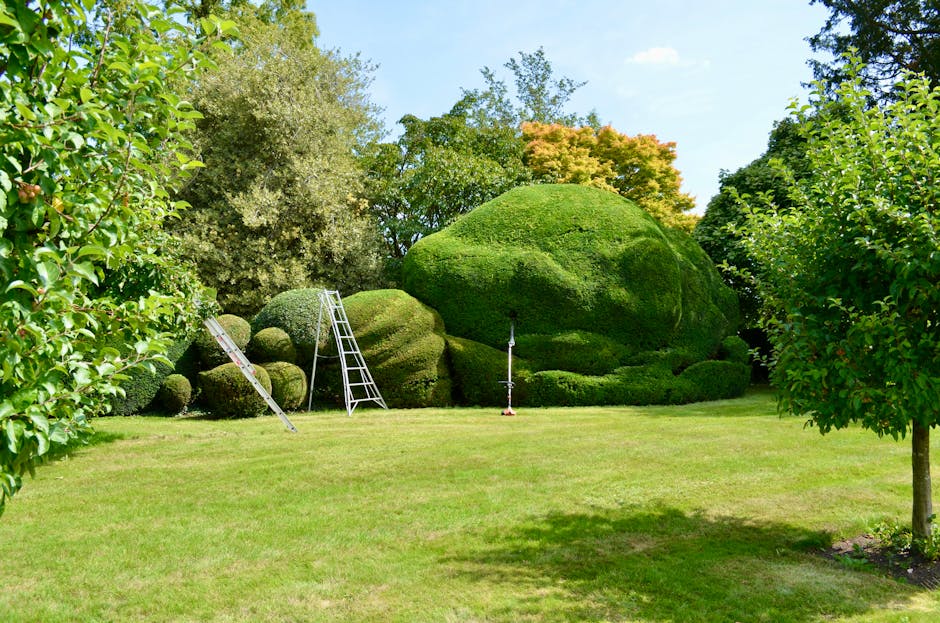
If you live in Hadley Wood or Arkley, you already know gardens here can be a little characterful. Some plots are roomy and leafy, others are compact but exposed, and many sit somewhere in between. That means the best advice for gardeners serving Hadley Wood and Arkley in Barnet is rarely one-size-fits-all. It has to be practical, local, and timed properly. In this guide, we'll walk through the top tips that actually help: what matters most, how a good gardening service works, what to avoid, and how to keep your outdoor space looking cared for without turning every weekend into a chore.
Whether you need regular maintenance, a one-off tidy-up, or help planning a bigger refresh, the goal is the same: a garden that works with the local conditions, not against them. Let's get into the useful stuff.
Why Gardeners serving Hadley Wood and Arkley in Barnet top tips Matters
Gardens in Hadley Wood and Arkley often deal with a mix of shade, wind exposure, mature trees, sloping sections, and heavier seasonal leaf fall. That combination changes how you maintain a garden. A lawn that looks fine in early spring can get patchy by late summer if it is cut too short. Hedges that seem manageable in May can suddenly start swallowing paths by August. And a border that looks neat one week can turn messy fast once weeds, rain, and growth get going at the same time. Annoying, yes. Normal? Very much so.
That is why local knowledge matters. Experienced gardeners are not only cutting grass or trimming shrubs. They are reading the site. They are noticing drainage, soil condition, sun patterns, access issues, and what actually needs attention now versus what can wait. That saves time, money, and a lot of avoidable frustration.
Local garden care also matters because many homeowners want a balance: a space that looks smart without needing constant intervention. In a place like Barnet, that usually means choosing maintenance routines that are realistic for your property and your lifestyle. A formal lawn, for example, will ask for a different rhythm than a wildlife-friendly garden or a family space that sees regular play. The trick is matching the work to the garden, not the other way around.
Expert summary: The best results usually come from steady maintenance, seasonal timing, and simple improvements done properly. That is the difference between a garden that just gets "cut back" and one that stays pleasant to use all year.
How Gardeners serving Hadley Wood and Arkley in Barnet top tips Works
At its simplest, good garden care follows a cycle: assess, prioritise, carry out, and maintain. It sounds almost too straightforward, but that is the point. A reliable gardener will usually start by looking at the whole space rather than jumping straight into the mower or hedge trimmer. They will ask what bothers you most, what the garden is meant to do, and whether the issue is routine upkeep or something bigger.
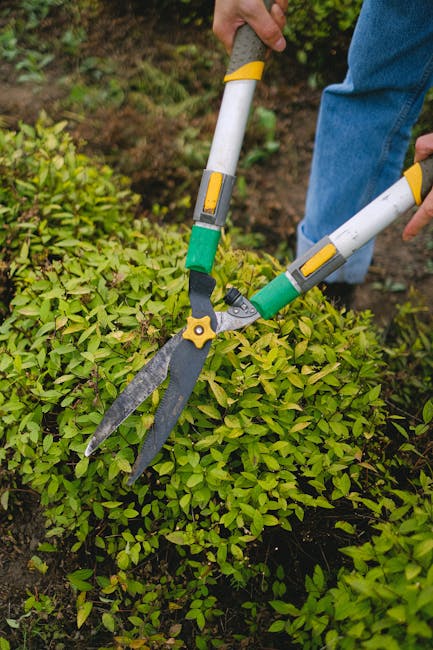
From there, the work tends to split into a few common areas. For example, lawn mowing keeps the grass at a healthy height and helps the garden feel tidy. Hedge trimming manages shape, light, and privacy. Garden clearance removes buildup after a neglected period, a move, a tenancy change, storm damage, or just one of those months where life got in the way. Landscape work takes things further and may involve redesigning beds, reworking levels, or refreshing surfaces. Not every garden needs all of that, thankfully.
In practice, the work should be paced around the season. Spring is ideal for recovery and renewal. Summer is about control, watering discipline, and staying ahead of rapid growth. Autumn is where leaf management and cutbacks become essential. Winter is often quieter, but it is still useful for planning, structural pruning where appropriate, and sorting out surfaces or hard landscaping before the next growth spurt arrives. A garden doesn't really stop, it just changes its demands.
If you are booking a professional team, a sensible place to start is their services overview. That helps you understand what they cover and how the different tasks fit together. If the job is larger or messier than expected, a dedicated garden clearance service can be the quickest way to get the space back under control. For ongoing upkeep, garden maintenance is usually the more practical route.
Key Benefits and Practical Advantages
The obvious benefit is a better-looking garden. But that is only the start. Well-timed maintenance brings a few quieter advantages that people often notice after the fact.
- Less catch-up work: Small, regular jobs are easier than large seasonal recoveries.
- Healthier planting: Proper pruning, feeding, and clearing can reduce stress on plants.
- Safer outdoor space: Tidy paths, controlled growth, and removed debris reduce trip hazards.
- Better use of space: Once shrubs, weeds, and clutter are under control, the garden feels bigger.
- More predictable costs: Routine work tends to be easier to plan than emergency tidying.
- Improved property presentation: Even a modest garden can make a strong first impression when it is looked after.
There is also a quieter psychological benefit. A neat garden changes how you use the space. You are more likely to sit out with a coffee, let the kids play, or simply open the back door and feel less irritated by what you see. Sounds small, but it adds up. Truth be told, a lot of people do not want a show garden; they just want to stop feeling guilty every time they look outside.
For lawns in particular, regular care is often worth prioritising. A consistent mowing pattern, sensible cutting height, and proper edging can transform the feel of a front or rear garden. If that is high on your list, a specialist lawn mowing service can keep things stable through the growing season. For gardens with overgrown boundaries or privacy planting, hedge trimming is often the other half of the equation.
Who This Is For and When It Makes Sense
This kind of advice is useful for a few different people. If your garden has become hard to maintain, if you have inherited a property with established planting, or if you are simply too busy to keep up with weekly jobs, local gardening support can make a real difference. It is also a good fit if you are preparing a home for sale, moving in, or trying to regain control after winter or a period of neglect.
It makes sense particularly when you notice one of these signs:
- the grass is growing faster than you can keep up with
- hedges are blocking light or encroaching on driveways and paths
- weeds are taking over beds or paving joints
- you are not sure what should be pruned, cut back, or left alone
- you need a one-off reset before switching to routine care
- you want the garden tidied without losing its character
Different homeowners need different solutions. Some want a maintenance-only approach. Others need a garden clearance first, then a lighter ongoing schedule. A few may need a full refresh through landscape gardening or broader landscaping. The key is not to overbuy the wrong service. A good gardener should be able to help you tell the difference.
Step-by-Step Guidance
If you want a garden that stays under control, here is the practical route. Nothing fancy. Just the stuff that works.
- Walk the garden properly. Look at it from the house, the side access, and the back. Notice where growth is strongest, where water sits, and what feels untidy first.
- Sort urgent hazards and access issues. Overhanging branches, broken edging, slippery moss, or blocked paths should come first.
- Decide what is routine and what is structural. Routine includes mowing, hedge cutting, weeding, and clearance. Structural work includes re-leveling, replanting, hard landscaping, or tree work.
- Start with clearance if needed. If the garden is heavily overgrown, clear the clutter before trying to make it "nice." Otherwise, you are just grooming the mess, and nobody wants that.
- Set the right maintenance rhythm. Weekly, fortnightly, or monthly depends on growth rate and how polished you want the garden to look.
- Use seasonal tasks to stay ahead. Spring tidy, summer control, autumn leaf management, winter planning. Simple, but effective.
- Review after the first visit. Good gardeners should refine the plan once they have seen how the space behaves in real life.
If your garden includes timber features or a future seating area, it can be wise to think ahead. A well-placed deck can make a sloping or awkward corner usable, but only if it is designed with drainage and access in mind. In that case, browsing decking services alongside garden care can help you make decisions in the right order.
Expert Tips for Better Results
The best gardening advice is often less about doing more, and more about doing the right things consistently. Here are the tips that tend to pay off.
1. Keep grass a little longer in dry spells
Cutting too low in hot weather can stress the lawn and leave it looking thin. A slightly higher cut helps the grass protect itself and recover faster. You will notice the difference, especially on exposed patches.
2. Trim hedges before they become a problem
It is easier to keep a hedge neat than to rescue one that has gone wild. Regular trimming also helps preserve shape and light. Once a hedge starts shading out lower growth, the whole thing can look sparse, which is a bit cruel after all that effort.
3. Clear leaves before they mat down
Autumn leaves are lovely for about five minutes. Then they get wet, flatten, and make paths slippery. Clearing them promptly protects lawns and hard surfaces.
4. Match watering to the plant, not the weather forecast alone
Some plants need deep, occasional watering. Others do better with lighter attention. It is worth checking soil moisture by hand instead of assuming a dry top layer means the root zone is thirsty. Old-school, yes. Also reliable.
5. Leave room for access
Many gardens become harder to maintain because plants grow into the working space. You need enough room to mow, cut, weed, and inspect beds comfortably. Small access improvements save a lot of faff later.
For more complex or mature gardens, a professional team should also think about tree work carefully. Branches that affect light, safety, or nearby structures may need attention from a specialist tree lopping and removal service, especially if a tree is interfering with the practical use of the garden. That sort of work should be approached carefully and with proper judgement.
Common Mistakes to Avoid
Most garden problems do not start dramatically. They creep in through a few small habits. Here are the big ones to watch for.
- Cutting everything too short: This applies to lawns, shrubs, and sometimes hedges. Overcutting can weaken growth and expose bare areas.
- Ignoring drainage: If a low patch stays soggy, mowing and planting around it will only partly solve the issue.
- Leaving clearance too long: Once weeds, debris, and dead material pile up, the job becomes bigger and more expensive.
- Using the wrong pruning approach: Some plants should be lightly shaped, not hacked back. There is a difference, and a big one.
- Trying to do structural work as if it were tidying: Re-levelling, hard landscaping, and tree decisions need proper planning.
- Skipping regular maintenance because things "look okay for now": That is usually how the catch-up phase begins.
A lot of people also forget to budget for the dull but essential bits: disposal, recycling, replacing worn tools, or scheduling work around access restrictions. Not glamorous, but part of the real picture. It is worth discussing these early rather than after the garden has already been transformed and everyone is wondering where the pile of cuttings is going.
Tools, Resources and Recommendations
You do not need a shed full of fancy kit to maintain a garden well. In many cases, the important thing is using the right tool at the right time and keeping it in decent shape.
| Task | Useful approach | Why it helps |
|---|---|---|
| Lawn care | Sharp mower, consistent schedule, and clear edging | Reduces stress on the grass and keeps the finish tidy |
| Hedges | Appropriate trimmer and measured cutting | Maintains shape without stripping too much growth |
| Clearance | Rakes, bags, collection, and sensible waste handling | Prevents debris from smothering beds and lawns |
| Planting beds | Hand tools, mulch, and regular weeding | Improves soil condition and keeps plants from competing too hard |
| Planning larger changes | Sketch, measure, and phase the work | Helps you avoid expensive mistakes and awkward layouts |
When comparing services, think in terms of outcome rather than just task names. A quick mow may be fine for one property. Another may need a full reset, then an ongoing plan. If you are looking for a broader service relationship, the company's about us page can be useful for understanding their approach, and the pricing and quotes page can help set expectations before work begins.
For homeowners who care about disposal and reuse, it is also worth asking how green waste is handled. Responsible recycling and sustainability practices matter more than people sometimes think, especially when a job produces a large volume of cuttings, branches, or old materials.
Law, Compliance, Standards, or Best Practice
For ordinary garden maintenance, most of the important "compliance" conversation is really about safety, duty of care, and sensible practice. If a gardener is working on your property, you want to know that they are insured, use suitable methods, and manage waste and equipment responsibly. That is not overthinking it; that is just good sense.
Where tree work is involved, caution matters even more. Depending on the size and location of the tree, there may be permissions, neighbour considerations, or safety concerns that need checking before work begins. A reputable team will not guess their way through that. They will pause, assess, and avoid making promises they cannot keep. Fair enough.
It is also wise to look for clear policies around safety, payments, privacy, and complaints. These are not the exciting parts of choosing a gardener, but they tell you a lot about how the business is run. For example, a transparent insurance and safety page suggests the company takes risk management seriously. A clear health and safety policy can be reassuring if the work involves tools, ladders, heavy lifting, or awkward access. And straightforward payment and security information helps avoid awkward surprises later.
If you ever want to understand how the business handles queries or disputes, those details should be available rather than buried. That kind of openness is a good sign in any local service provider.
Options, Methods, or Comparison Table
Different gardens need different levels of input. Here is a simple way to think about the main options.
| Option | Best for | Typical strengths | Trade-off |
|---|---|---|---|
| One-off tidy-up | Overgrown or neglected gardens | Fast reset, immediate improvement | Needs follow-up to stay tidy |
| Routine maintenance | Most family homes and busy owners | Predictable, tidy, manageable | Less dramatic than a full redesign |
| Garden clearance | Major clutter, seasonal build-up, move-in or move-out situations | Removes bulk and restores access | Usually not enough on its own for long-term results |
| Landscape gardening | Spaces needing a new layout or functional redesign | Can solve practical layout problems | Takes planning and usually more investment |
| Mixed maintenance and improvements | Gardens that need both care and gradual upgrades | Balances presentability with long-term progress | Requires coordination and a sensible sequence |
If you are unsure which route is right, ask yourself one question: do you need the garden to be cleaned up, kept up, or changed? That tends to clarify things quickly. Sometimes the answer is all three, just not all at once.
Case Study or Real-World Example
Here is a realistic example based on the kind of job many local gardeners see. A homeowner in the Hadley Wood area had a rear garden that looked manageable from the kitchen window, but once outside it told a different story. The lawn was uneven, one hedge had started to lean out over the path, and a border near the fence had become a dense mix of weeds, fallen leaves, and forgotten stems from the previous season.
The first step was not redesign. It was clearance. The team removed the debris, cut back the hedge to restore access and light, and brought the lawn back to a sensible height without scalping it. After that, they could see the actual shape of the space. Only then did it make sense to talk about improving the border and choosing a lower-maintenance planting style for the future.
That sort of staged approach usually saves time and money. It also reduces the risk of doing beautiful work on top of a problem you have not solved yet. A garden can look deceptively tidy for one afternoon. Then you come back a week later and realise the roots, drainage, or structure were the real issue all along. Happens more often than people expect.
The outcome in this type of job is usually straightforward: the garden becomes easier to use, easier to maintain, and much less mentally noisy. That last bit matters more than most people admit.
Practical Checklist
Use this checklist before booking work or starting your own maintenance round.
- Walk the whole garden and note the main issues
- Decide whether the space needs clearance, maintenance, or improvement
- Check access points, side gates, and storage space for waste
- Identify anything that could be a safety issue, including slippery areas or broken edging
- Prioritise lawns, hedges, paths, and overgrown beds in that order if the garden is messy
- Ask how cuttings and waste will be removed or recycled
- Confirm whether the work is a one-off or part of an ongoing schedule
- Review any tree-related concerns before cutting anything substantial
- Make sure the outcome you want is clear: tidy, manageable, redesigned, or all three
- Keep a note of seasonal jobs so the garden does not drift again
Quick practical reminder: a garden is easier to keep than to rescue. That sounds obvious, but it is the bit people forget when life gets busy and the weeds start winning quietly.
Conclusion
The best gardeners serving Hadley Wood and Arkley in Barnet do more than cut, trim, and tidy. They help you build a garden routine that suits the space you actually have, the time you actually have, and the way you actually want to use it. That may mean regular lawn care, smarter hedge trimming, a full garden clearance, or a phased landscaping plan. Sometimes it is a mix of all four, and that is perfectly fine.
What matters most is making good decisions early. Start with the problem in front of you. Keep the maintenance realistic. Do the seasonal jobs before they become emergency jobs. And if a task is beyond simple upkeep, bring in support before the garden turns into a weekend-eating monster. We've all been there, or close enough.
If you are comparing options now, the most useful next step is to review the available services, check how the work is handled, and choose the approach that gives you the best balance of tidiness, durability, and peace of mind.
Get a free quote today and see how much you can save.
Frequently Asked Questions
How often should a garden in Hadley Wood or Arkley be maintained?
It depends on the size of the garden, the planting, and how tidy you want it to look. Many homes benefit from fortnightly or monthly maintenance during the growing season, with extra seasonal work in spring and autumn.
What is the difference between garden clearance and garden maintenance?
Garden clearance is usually a bigger reset job, often for overgrown or cluttered spaces. Garden maintenance is the ongoing work that keeps a healthy garden tidy once the heavy lifting is done.
Do I need landscaping or just regular gardening?
If the garden only needs mowing, weeding, trimming, or general upkeep, routine gardening is often enough. If the layout, levels, or surfaces are not working for you, landscaping may be the better option.
What should I do before booking a gardener?
Walk the garden, note the main problems, and decide whether you want a one-off tidy-up or regular visits. It also helps to mention any access issues, storage limits, or awkward areas right away.
Is hedge trimming a seasonal job?
Yes, in most gardens it is best handled as a seasonal or periodic task rather than something done randomly. Regular trimming keeps hedges manageable and reduces the chance of them becoming overgrown.
Can a gardener help if my lawn is patchy or tired?
Yes. A good gardener can usually advise on mowing height, basic care, and whether the lawn needs improvement work. Sometimes the issue is maintenance; sometimes it is soil condition, shade, or drainage.
How do I know if tree work is needed?
If a tree is blocking light, touching structures, causing safety concerns, or making the garden hard to use, it is worth getting an experienced opinion. Tree work should be handled carefully and not treated like ordinary pruning.
What if I only need a one-off visit?
That is very common. A one-off visit is often the best way to regain control after neglect, a busy period, a move, or seasonal build-up.
Should I ask about waste removal?
Absolutely. Waste handling is a practical part of the job. It is better to confirm how cuttings, branches, and debris will be dealt with before the work starts.
How can I keep the garden manageable between visits?
Focus on small, steady habits: clear leaves, edge paths, cut the lawn at the right height, and deal with weeds before they spread. A little regular attention goes a long way.
What makes a local gardening service worth choosing?
Look for clear communication, sensible recommendations, proper safety awareness, and services that match your actual needs. A trustworthy team will explain what should happen first and why.
Can a garden be improved without a full redesign?
Yes, very often. Many gardens look and feel much better after clearance, maintenance, hedge work, and small layout adjustments. You do not always need a major overhaul to see a real difference.
Where should I start if my garden is badly overgrown?
Start with clearance, not decoration. Remove the buildup first, reveal the structure of the space, and then decide what maintenance or improvement work should follow.